TRAINING ETIKA DAN KEPATUHAN DALAM AKUNTANSI SYARIAH
TRAINING ETIKA DAN KEPATUHAN DALAM AKUNTANSI SYARIAH
Deskripsi
Etika dan Kepatuhan di Akuntansi Syariah merupakan penerapan prinsip etika, nilai-nilai syariah, serta ketentuan dan standar yang berlaku dalam proses pencatatan, penyusunan, dan pelaporan keuangan berbasis syariah. Penerapannya bertujuan memastikan informasi akuntansi disajikan secara jujur, transparan, amanah, dan sesuai dengan prinsip syariah serta ketentuan yang berlaku.
Pelatihan Etika dan Kepatuhan dalam Akuntansi Syariah diselenggarakan untuk meningkatkan pemahaman dan kompetensi peserta dalam menerapkan prinsip etika dan kepatuhan dalam praktik akuntansi syariah. Melalui pelatihan ini, peserta diharapkan mampu memahami prinsip-prinsip etika, mengidentifikasi aspek kepatuhan, serta menerapkannya dalam proses akuntansi dan pelaporan keuangan secara profesional, transparan, dan sesuai dengan prinsip syariah.
- Akuntan Syariah
- Auditor Syariah
- Staf Keuangan
- Manajer Keuangan
- Pengawas Syariah
- Konsultan Akuntansi Syariah
- Perusahaan yang butuh jasa Pelatihan Etika dan Kepatuhan Syariah
- Paham prinsip etika dalam akuntansi syariah
- Ikuti standar dan regulasi
- Hindari risiko pelanggaran dan kesalahan akuntansi
- Jaga integritas & transparansi laporan keuangan
- Tingkatkan profesionalisme akuntan syariah
- Perkuat kepercayaan stakeholder
- Terapkan tata kelola syariah yang baik
- Dapatkan sertifikat Pelatihan Etika & Kepatuhan di Akuntansi Syariah
Materi Pelatihan
- Prinsip Etika dalam Akuntansi Syariah
- Konsep Kepatuhan Syariah (Sharia Compliance)
- Standar Akuntansi Syariah dan Regulasi Terkait
- Integritas & Profesionalisme Akuntan Syariah
- Identifikasi dan Pencegahan Konflik Kepentingan
- Transparansi & Akuntabilitas Laporan Keuangan Syariah
- Pencegahan Fraud dalam Akuntansi Syariah
- Peran & Tanggung Jawab Dewan Pengawas Syariah
- Audit dan Pengawasan Kepatuhan Syariah
- Studi Kasus Etika & Kepatuhan di Akuntansi Syariah

Siapa Pembicara Pelatihan Ini?
Instruktur pelatihan ini adalah instruktur yang berkompeten di bidang Etika & Kepatuhan di Akuntansi Syariah atau khususnya dalam training Akuntansi Syariah, baik dari kalangan akademisi maupun praktisi.
Jadwal Pelatihan
- Batch 1 : 03 – 04 Januari 2026 | 16 – 17 Januari 2026
- Batch 2 : 06 – 07 Februari 2026 | 20 – 21 Februari 2026
- Batch 3 : 05 – 06 Maret 2026 | 19 – 20 Maret 2026
- Batch 4 : 03 – 04 April 2026 | 23 – 24 April 2026
- Batch 5 : 07 – 08 Mei 2026 | 21 – 22 Mei 2026
- Batch 6 : 05 – 06 Juni 2026 | 25 – 26 Juni 2026
- Batch 7 : 09 – 10 Juli 2026 | 23 – 24 Juli 2026
- Batch 8 : 06 – 07 Agustus 2026 | 20 – 21 Agustus 2026
- Batch 9 : 04 – 05 September 2026 | 18 – 19 September 2026
- Batch 10 : 08 – 09 Oktober 2026 | 22 – 23 Oktober 2026
- Batch 11 : 06 – 07 November 2026 | 26 – 27 November 2026
- Batch 12 : 04 – 05 Desember 2026 | 18 – 19 Desember 2026
Biaya Pelatihan
Investasi untuk mengikuti program pelatihan ini dirancang sebanding dengan kualitas materi, kompetensi trainer, serta fasilitas eksklusif yang akan Anda peroleh selama kegiatan berlangsung.
Public Training
Rp 4.500.000 / peserta
(Minimal kuota pelaksanaan:
3 peserta)
In House Training
Biaya pelatihan bersifat fleksibel dan dapat disesuaikan dengan kebutuhan perusahaan. Silakan hubungi tim kami untuk mendapatkan penawaran terbaik.
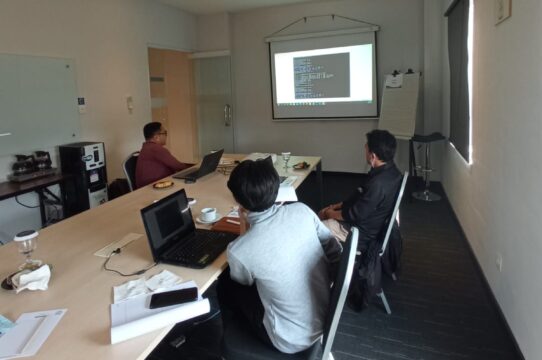
Dokumentasi Pelatihan
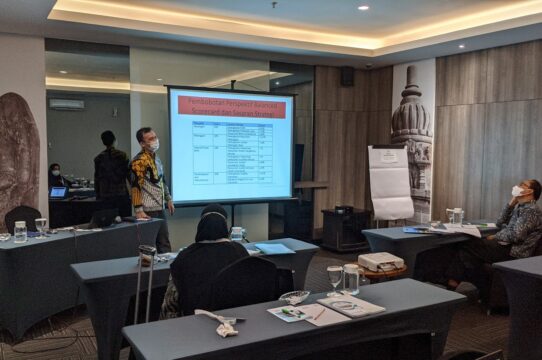
Lokasi Pelatihan
Jakarta | Bandung | Yogyakarta | Surabaya
Fasilitas Pelatihan
Harga yang kompetitif dan terpercaya
Trainer yang kompeten di bidangnya
Training Kit Eksklusif
Pelayanan maksimal bagi peserta
City Tour (Opsional)
FAQ Tentang TrainingdiJogja
Q1 : Bagaimana cara mendaftar training Etika dan Kepatuhan dalam Akuntansi Syariah 2026?
A1 : Pendaftaran dapat dilakukan melalui website trainingdijogja.com, menghubungi tim marketing melalui No. WhatsApp +62 813-4958-9616 (Arief)/e-mail kami di rajatrainingindo@gmail.com
Q2 : Apakah peserta training mendapatkan sertifikat?
A2 : Setiap peserta yang mengikuti Training Etika & Kepatuhan di Akuntansi Syariah terbaik hingga selesai akan memperoleh Sertifikat Training dari trainingdijogja.com
Q3 : Apakah tersedia pelatihan in-house?
A3 : Ya, trainingdijogja.com menyediakan program in-house training yang dapat disesuaikan dengan kebutuhan perusahaan, baik dari sisi materi, waktu, maupun metode pelatihan.
Q4 : Berapa lama durasi training?
A4 : Durasi pelatihan umumnya berlangsung selama 1–2 hari, dan dapat disesuaikan dengan kebutuhan perusahaan untuk pelatihan in-house, public training, maupun online training.